Dancing with Machines ⠳
Categories
3D
CGI
Data Visualisation
Motion
How do you teach a machine to move like we do? As machines move closer towards understanding the finer details of human movement, how do we capture that progression? How do we make that curiosity tangible?
In this visual study, we were struck by a simple research method: machines are learning to move the way humans learn to dance.
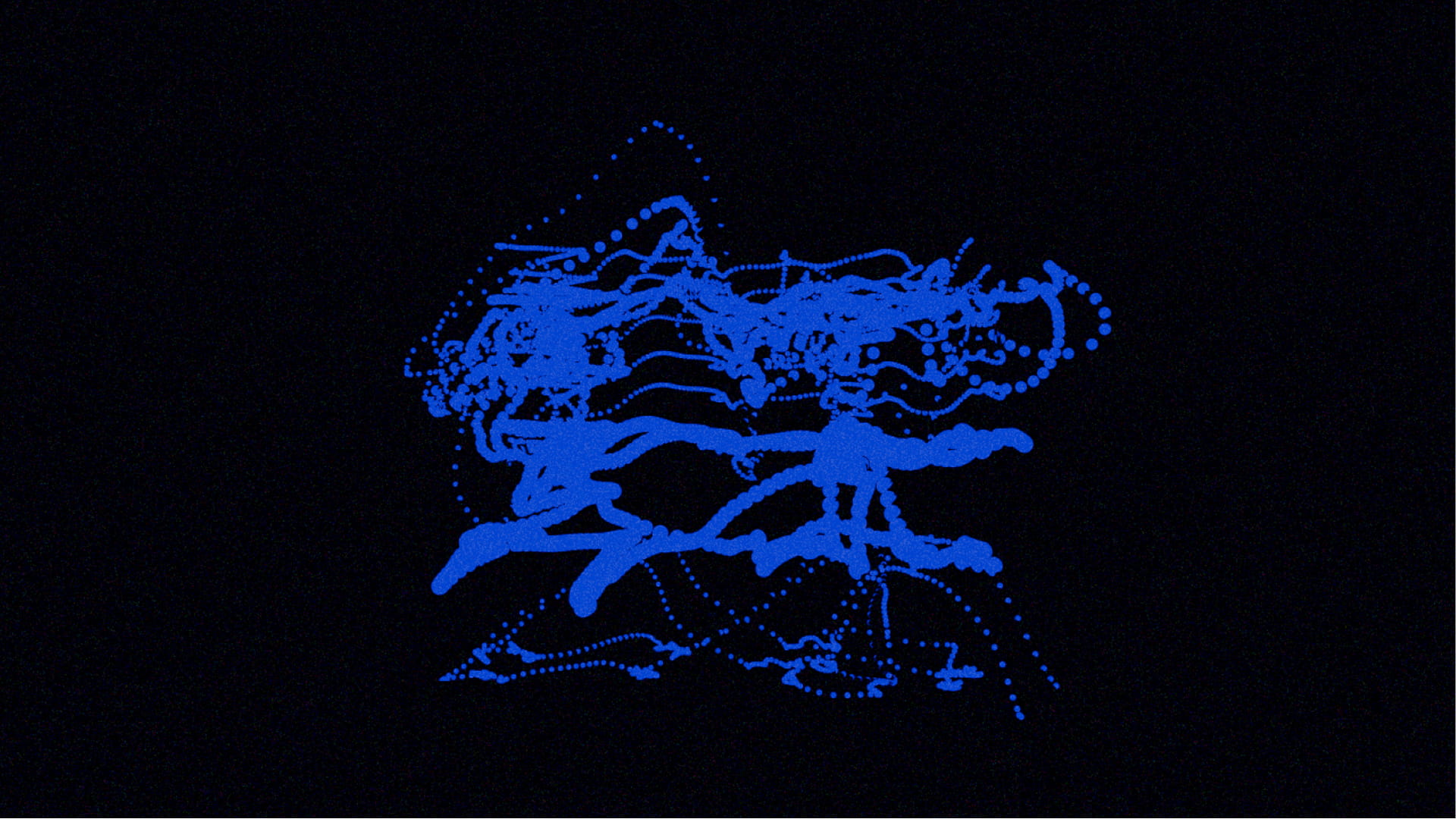
TraceGen is a robotics research system developed at the University of Maryland. Rather than teaching robots through a scarce real-world data pool, TraceGen mimics human movement from online videos - stripping away visual noise to retain only a compact 3D trace-space: the pure geometric expression of how we move through the world.
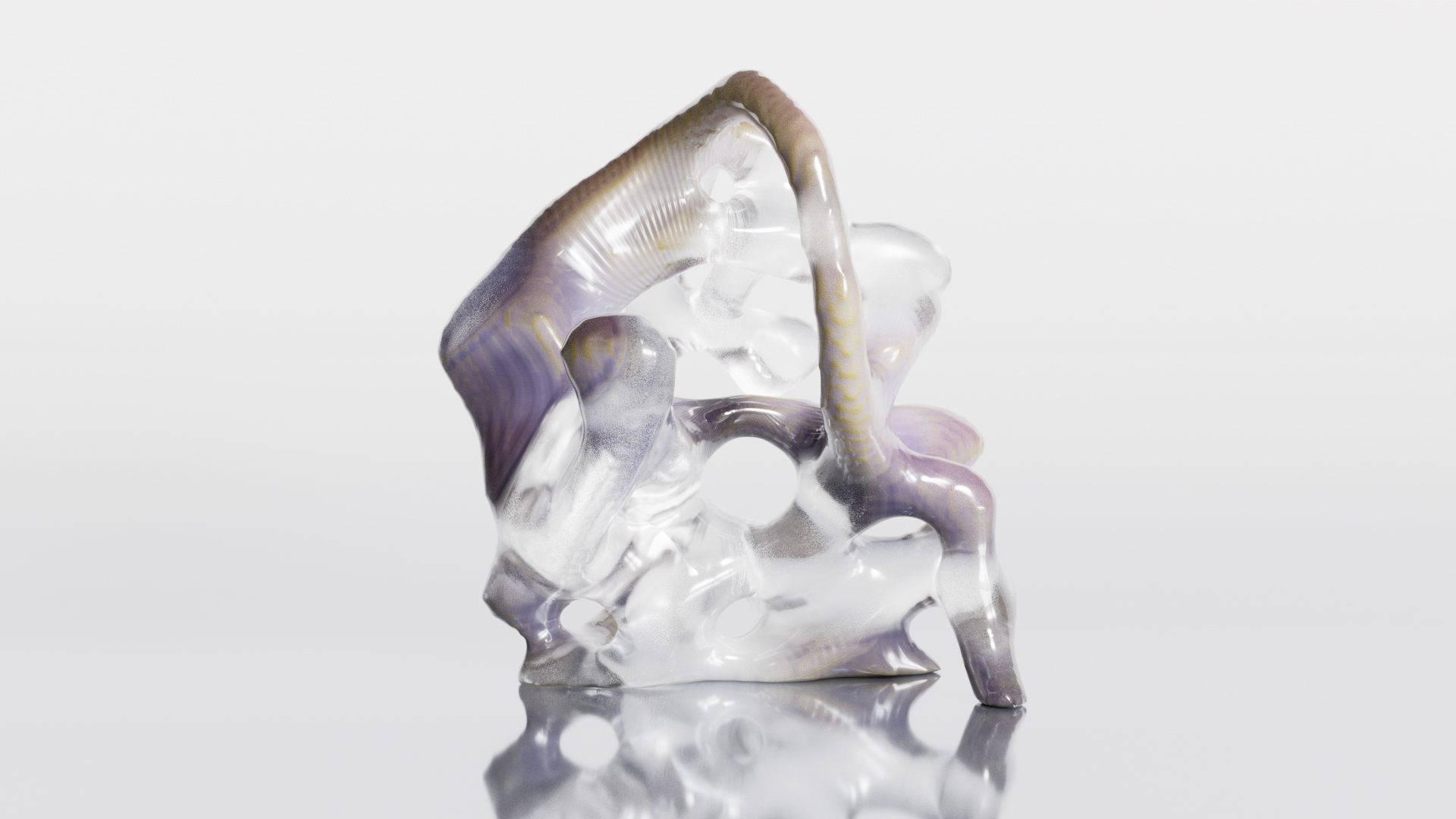
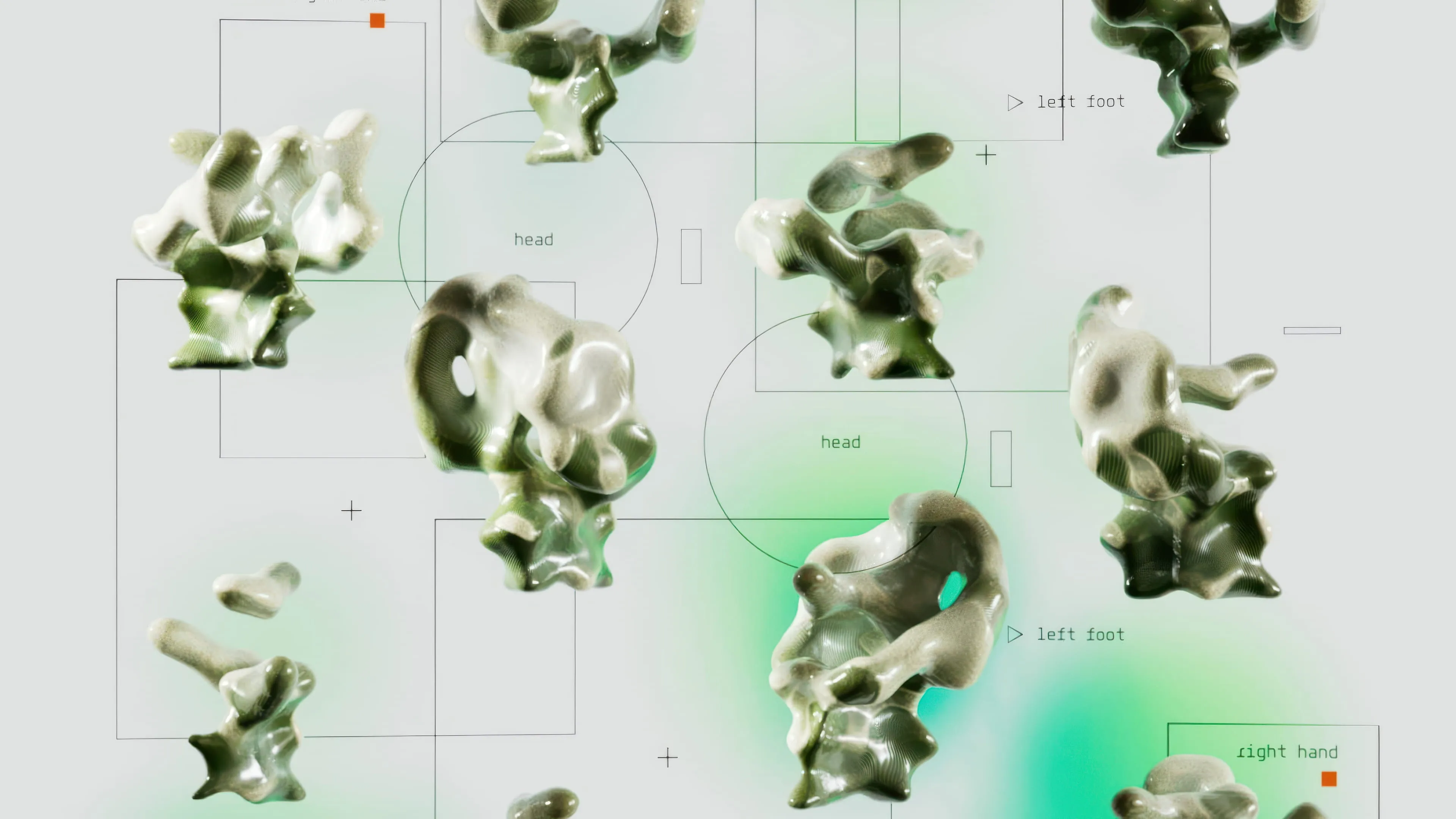
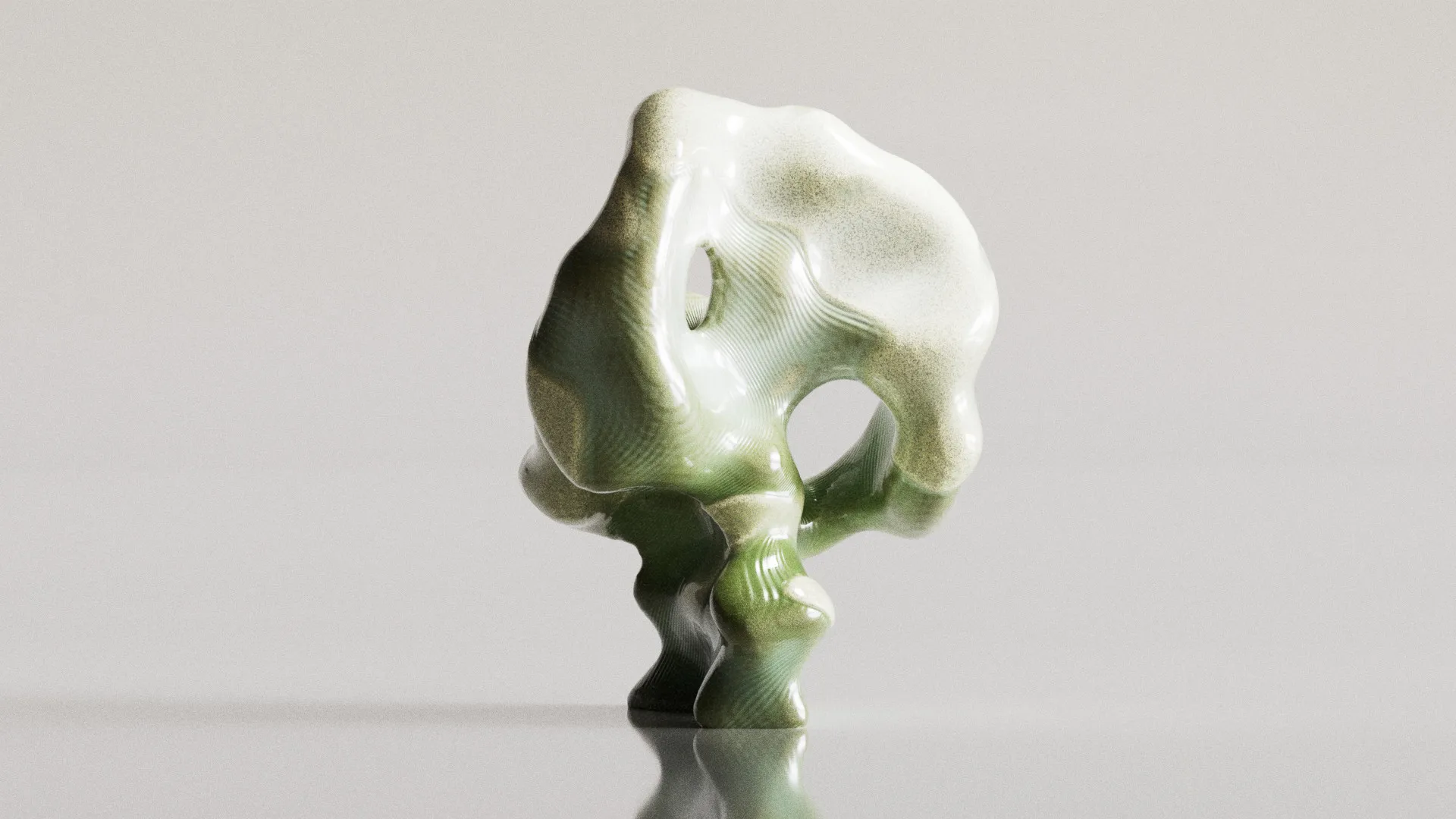
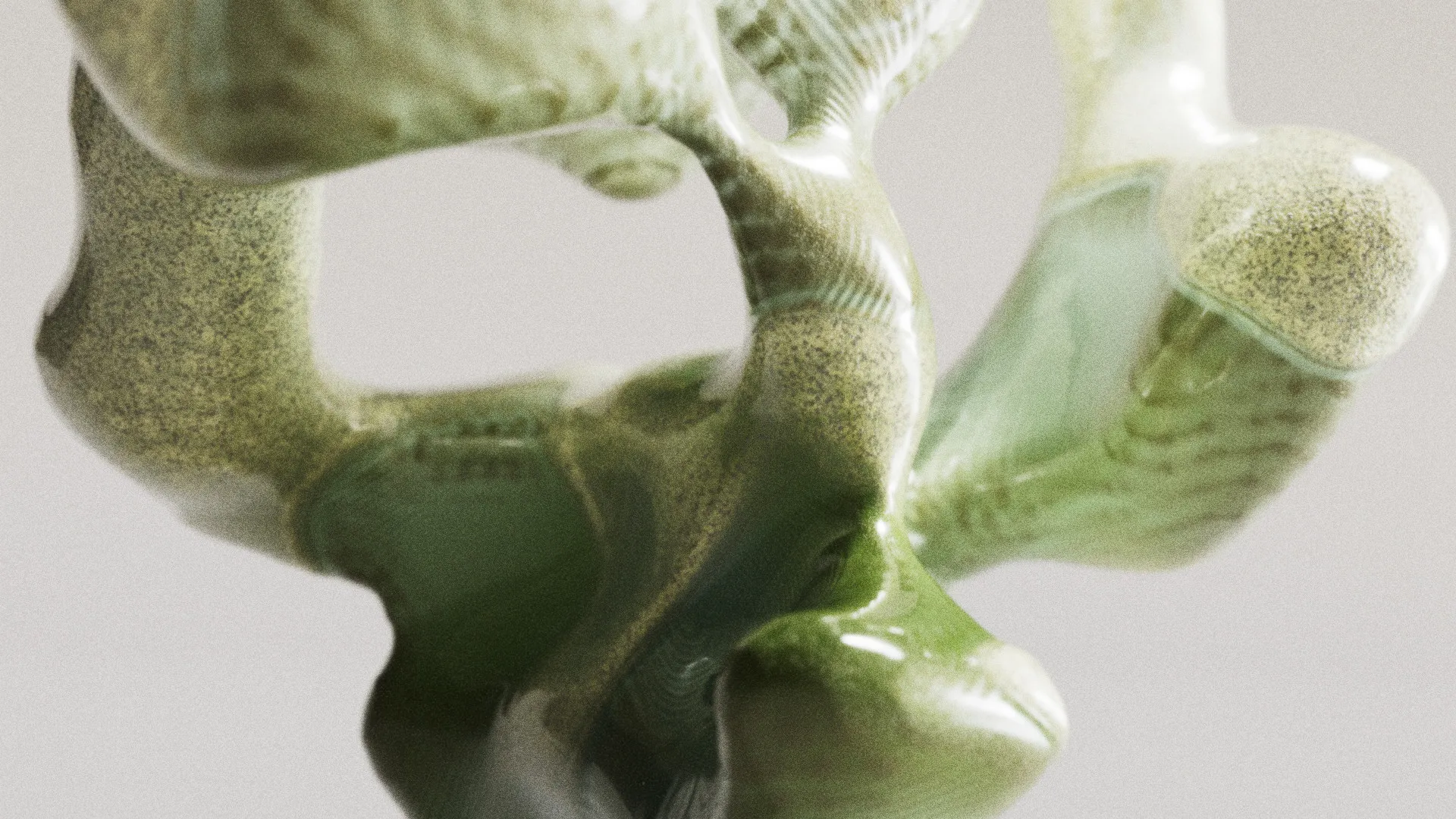
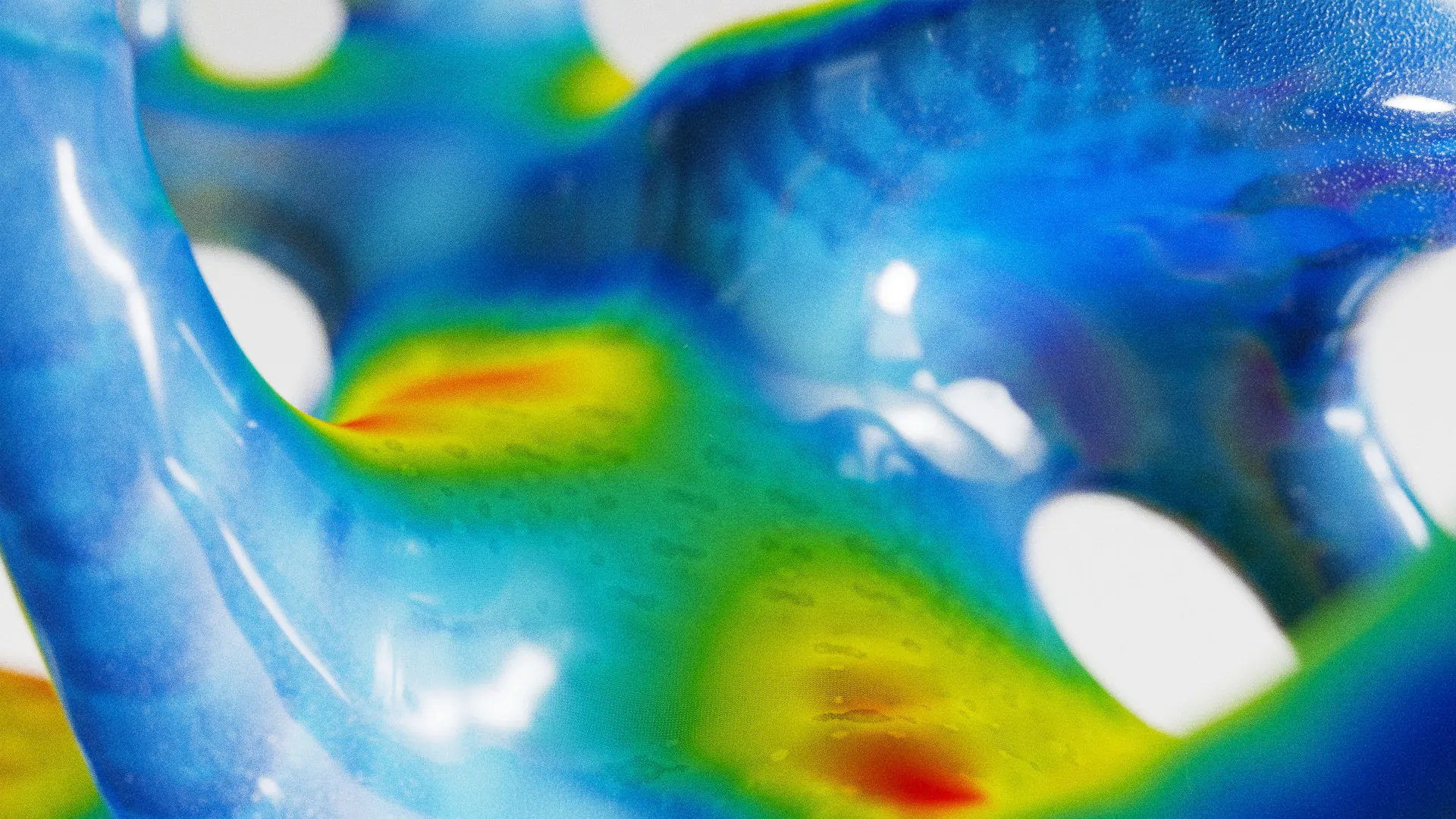
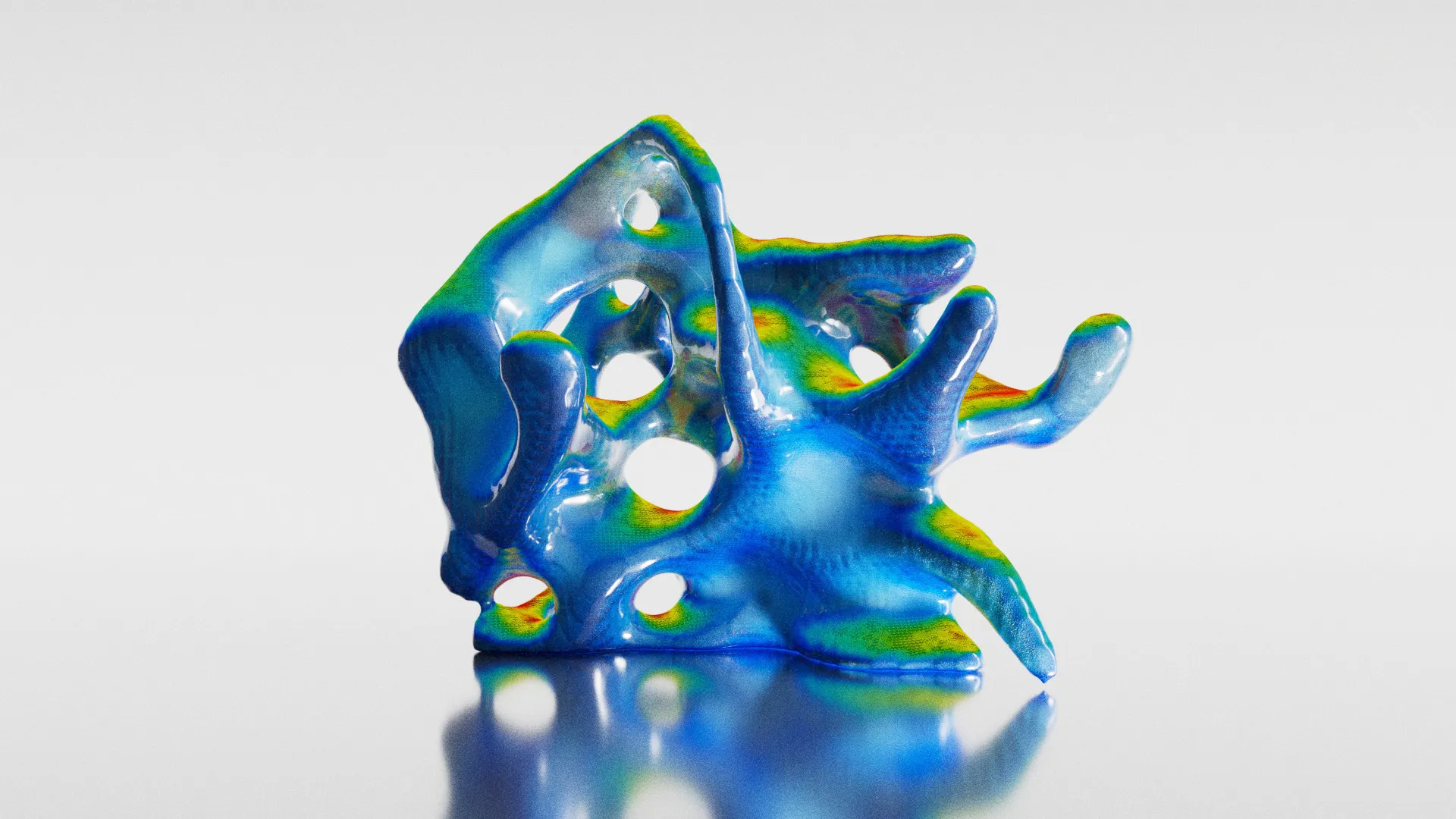
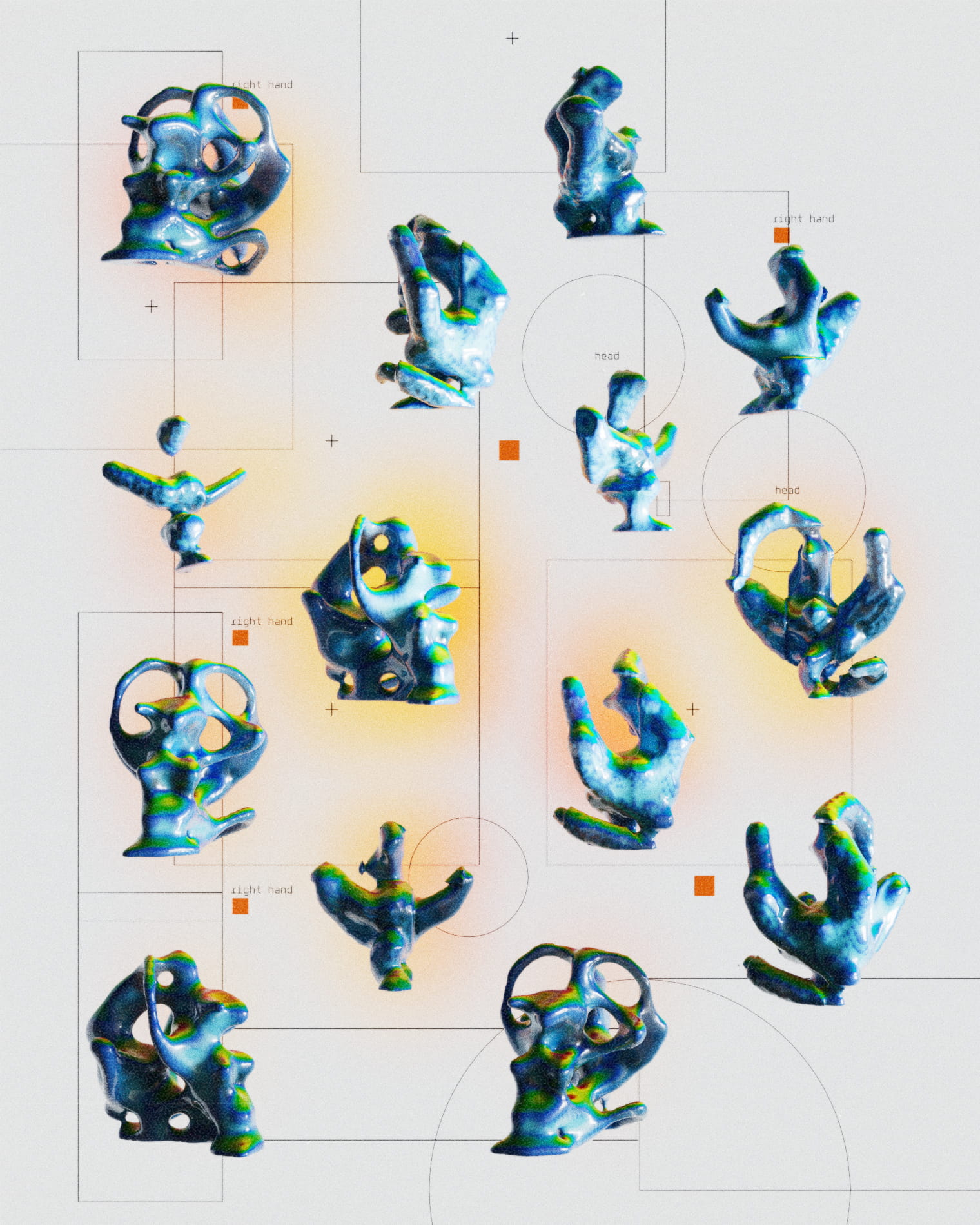
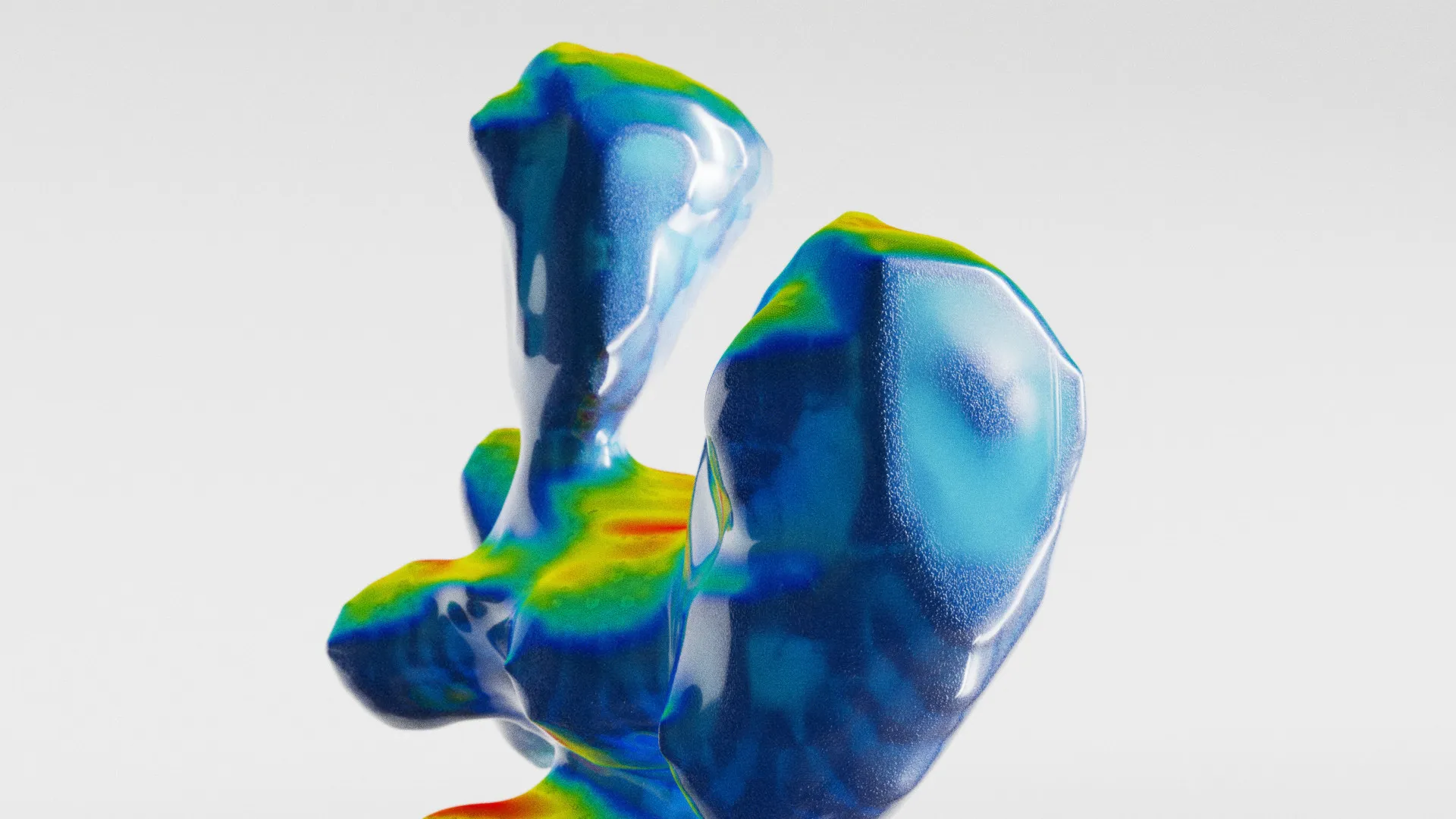
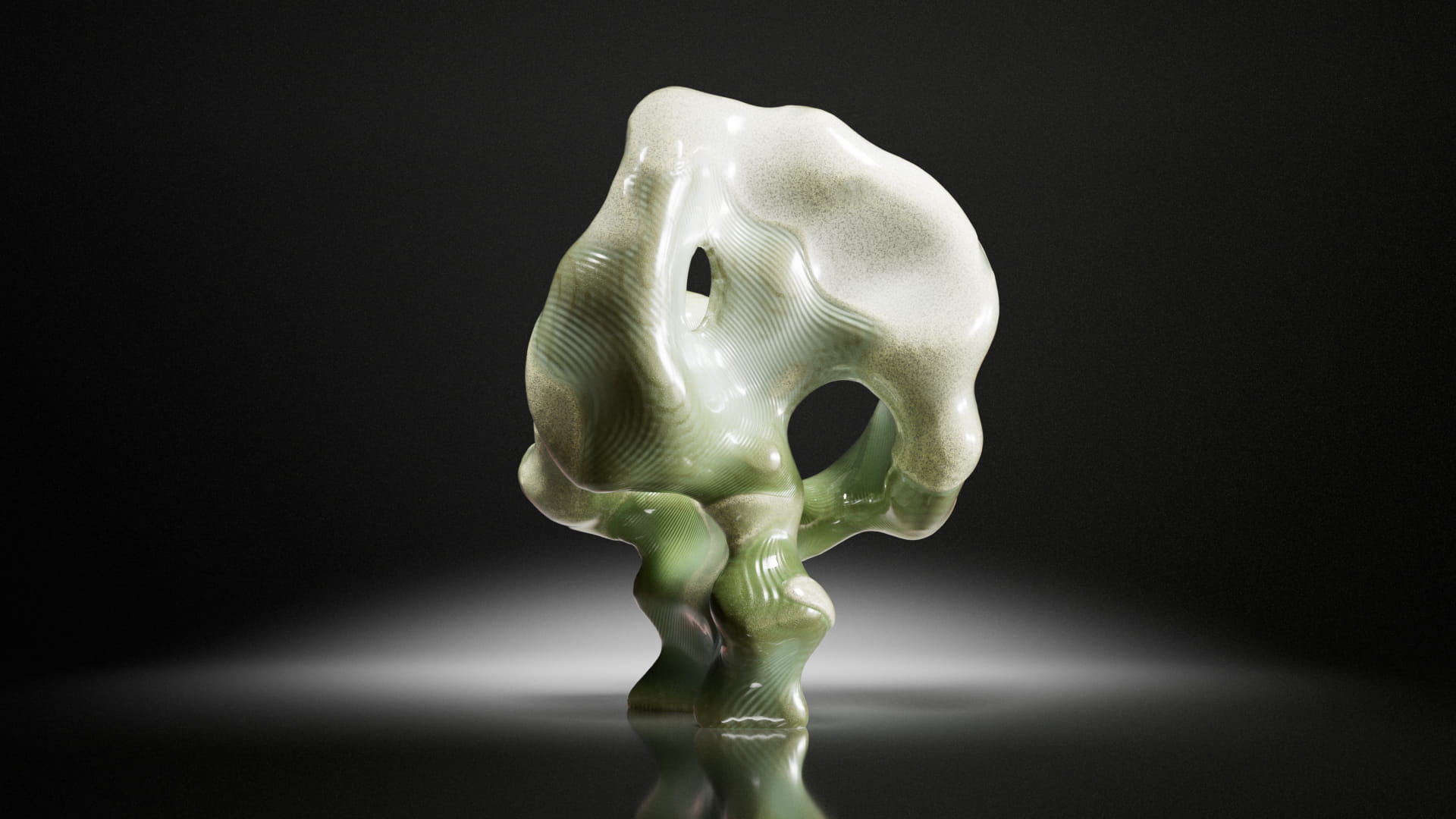
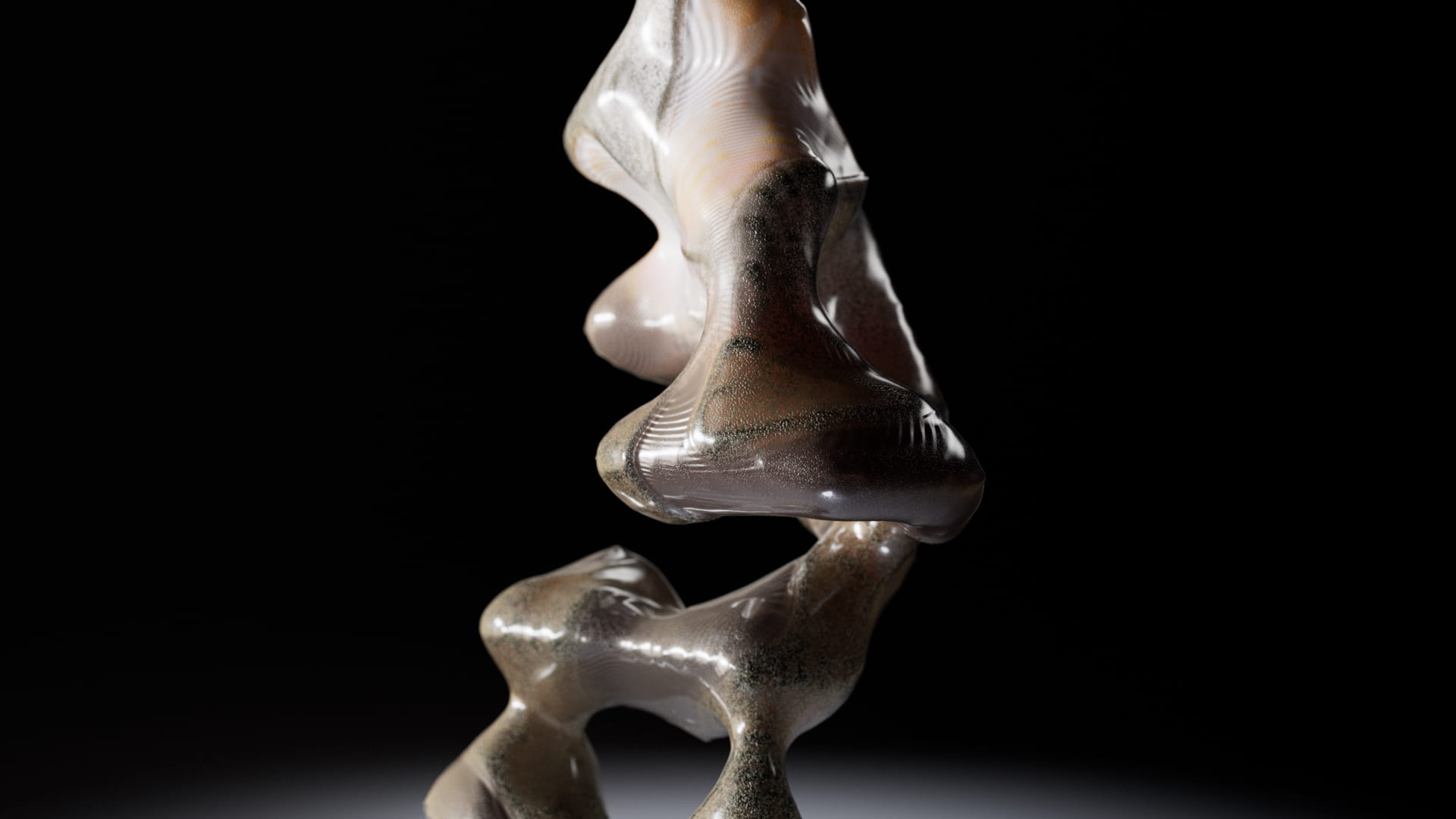
We asked what trace-space might look like if you could reach out and touch it. Using AI-driven motion capture, we abstracted human dance and movement into a series of ceramic sculptures that feel tactile and playful.
Both digital and physical clay were the materials we naturally gravitated towards. Shaped by touch, repetitive movement, and the memory of a guiding hand. This is the language through which a system begins to understand human movement. Like a sculptor throwing clay, the machine learns through watching the same motions, returned to again and again, until seeing becomes understanding. The same centrifugal force that pulls a vessel upward from the spinning wheel is present in dance: weight shifting, momentum held and released, form emerging through process.
Dancing with Machines is a small snapshot of what it may look like when humans and machines begin to think together - not a cold exchange of data, but something closer to a crafted dialogue.
Interpreting The Movement
Sculpture A




Sculpture B

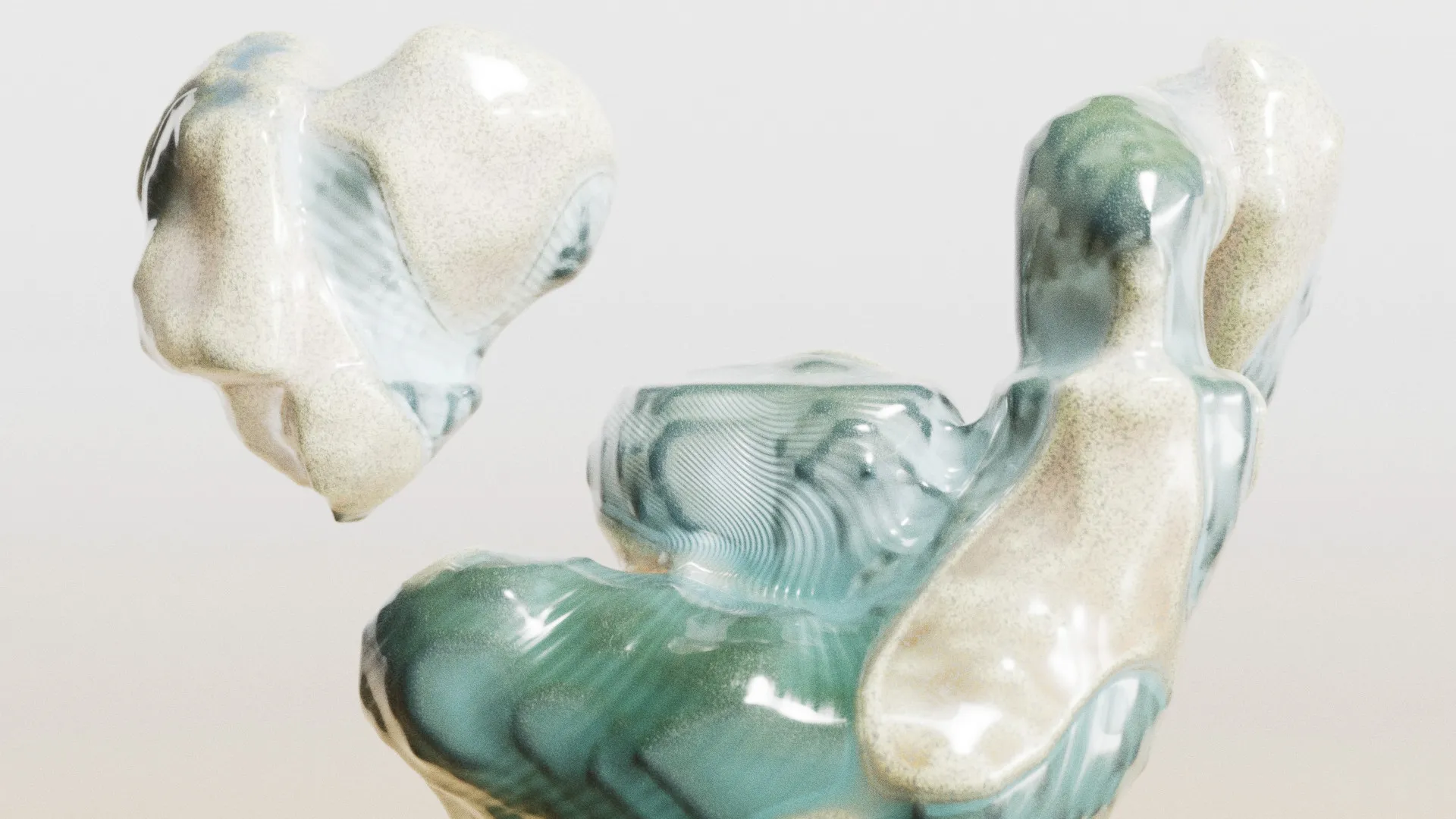



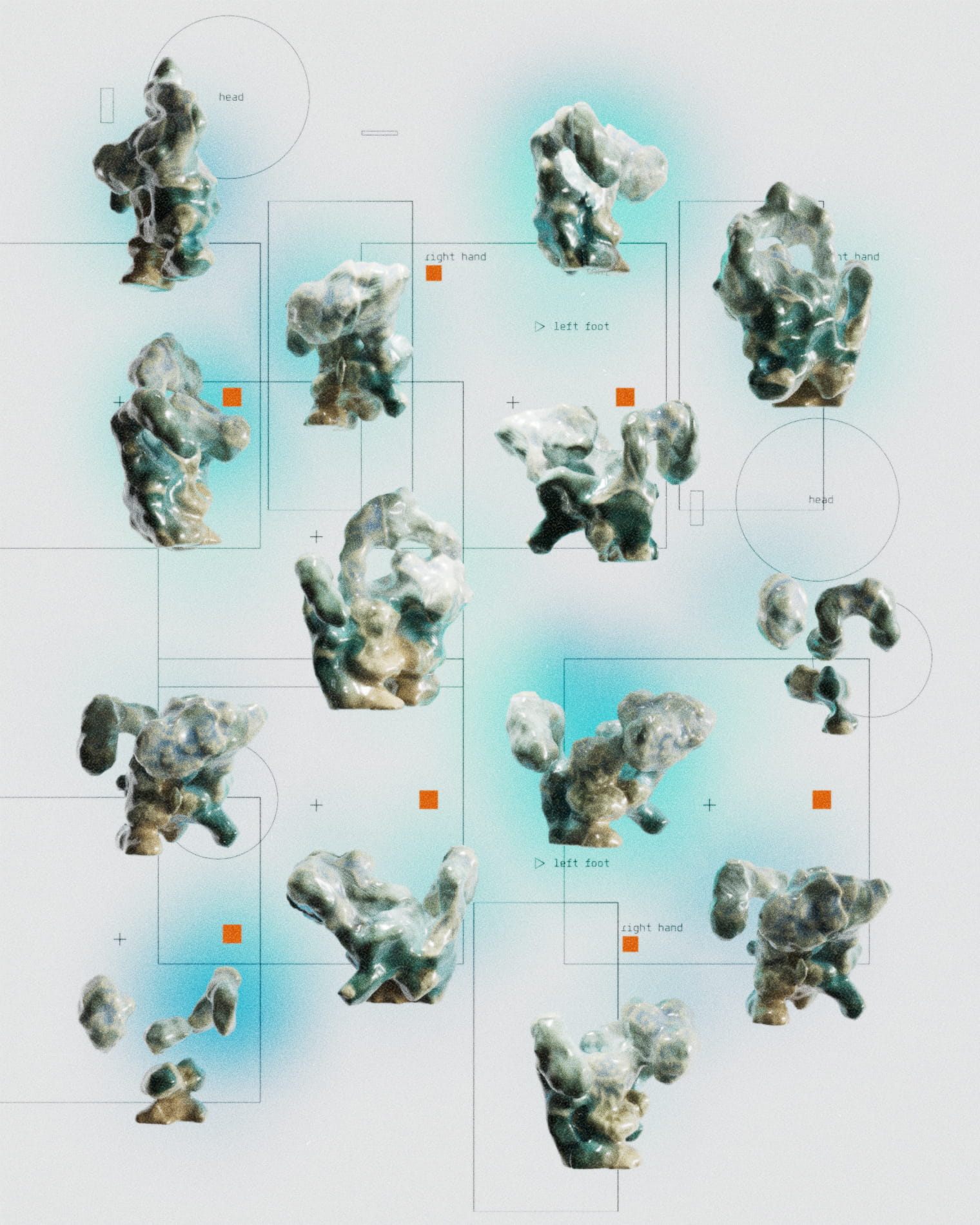

Sculpture C




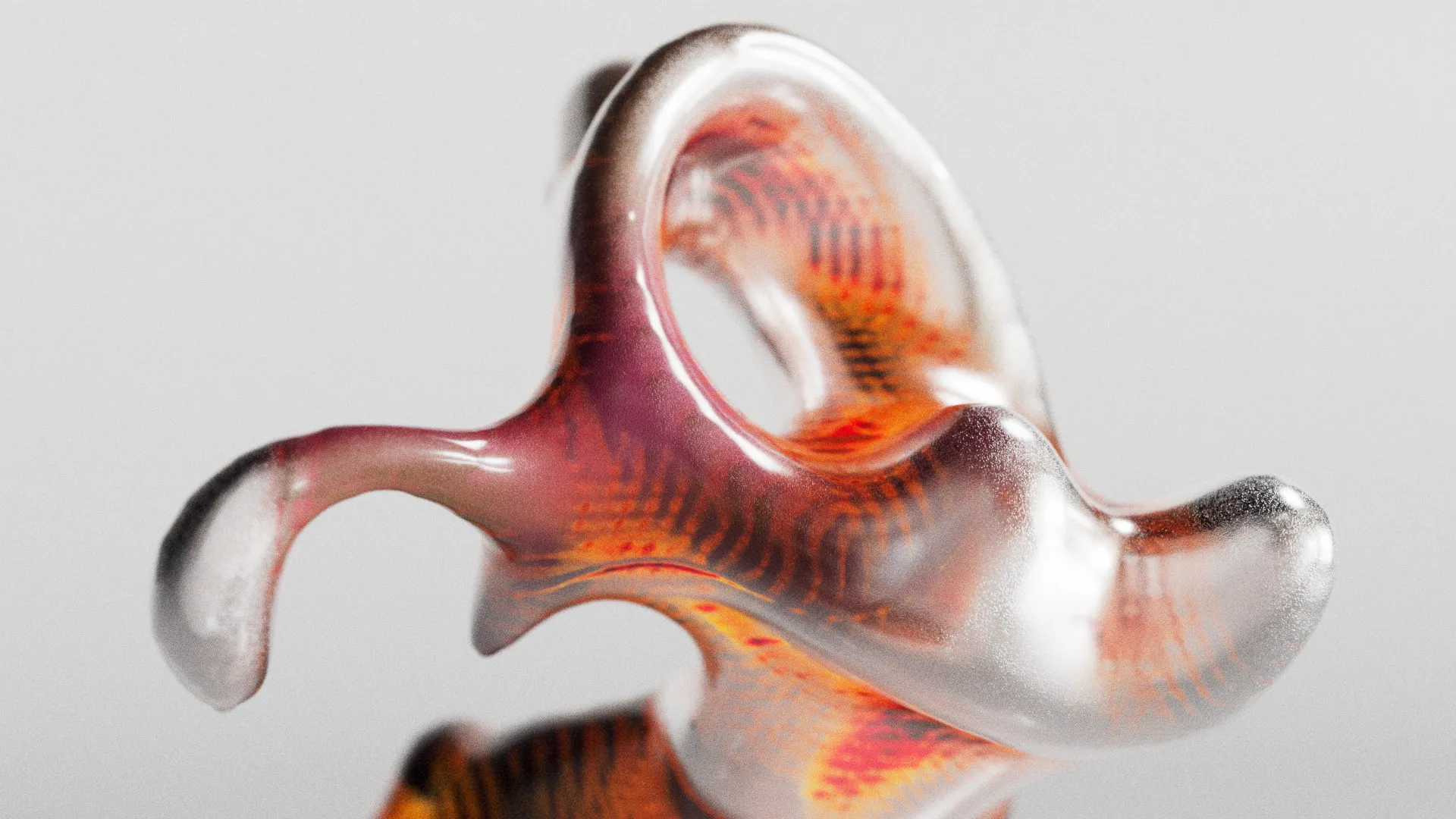
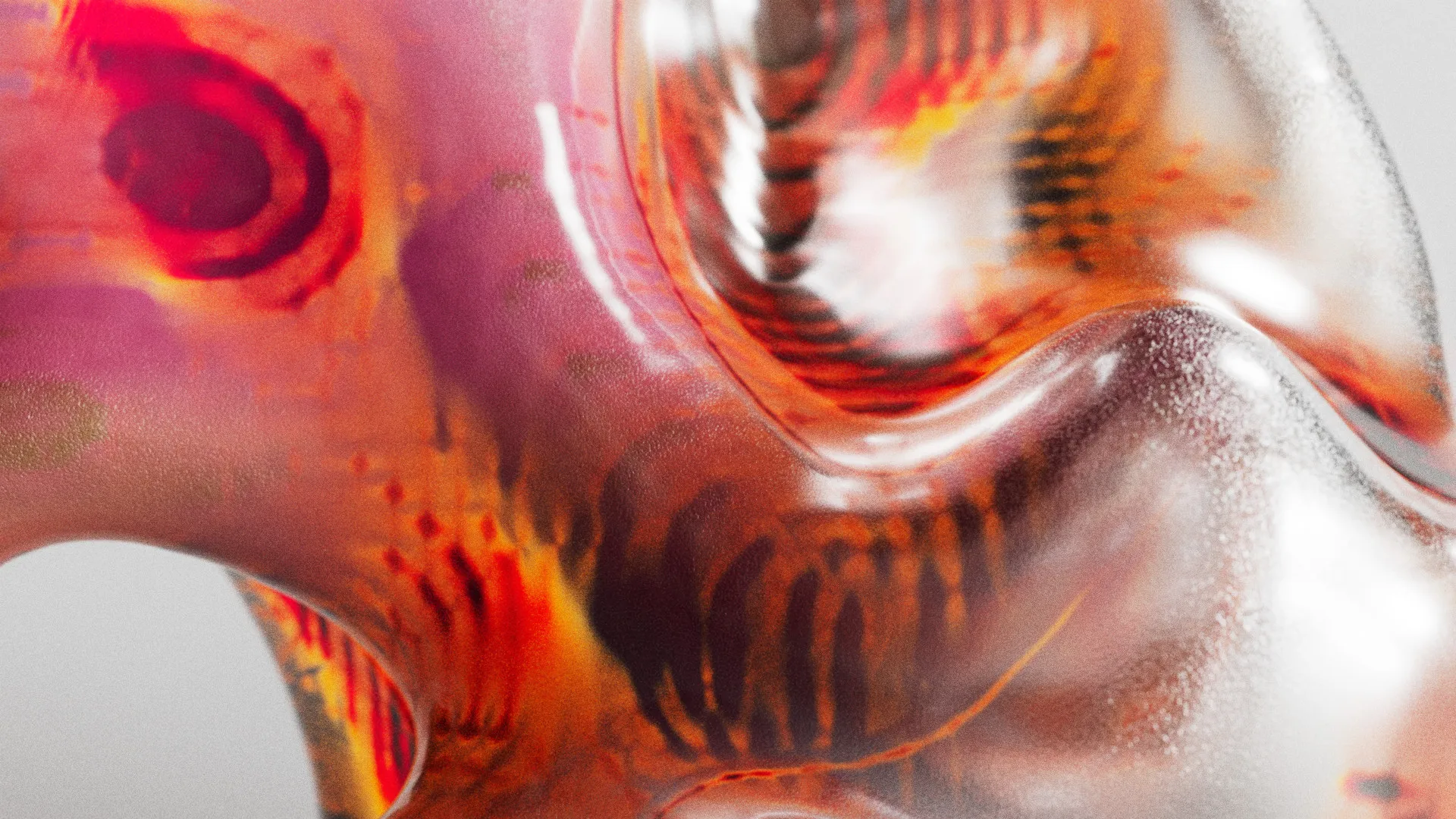
Sculpture D

Research & Development



.jpg)
.jpg)